| OCR Text |
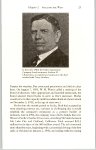
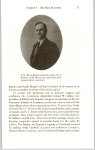
Show CHAPTER 6 Reinvigorating Management B’ THE MIDPOINT OF THE TWENTIETH CENTURY, the world had arrived at a critical juncture. Advancements in science and technology made it possible for humanity to alter nature to such an extent that many observers worried that developments such as the atomic bomb symbolized only a bleak future for a planet gone mad. Others believed that humans would instead use their newfound knowledge and skills to make life immeasurably better. Among the latter were the leaders of the Utah Construction Company, now at a crucial crossroads in its own history. Despite a lengthy list of achievements in railroad and dam building in the 1930-40s, annual company profits never exceeded those in 1919, when black ink totaled $1.6 million. In fact, Utah’s books showed a net loss in 1945. From building the Hoover Dam on through the war, events swept Utah along, as they did many firms. Some, like Bechtel and Morrison Knudsen (M-K), adjusted their strategies and took advantage of the rapidly growing economy, but Utah—which had provided major leadership in the Six Companies—did not advance. Understandably disappointed in such a performance, Marriner Eccles began talking of selling the company as early as 1943. Perceptibly, the slide began with the changing of the guard in 1931. The new management came essentially from the ranks of the founding families. While no one questioned the competence and dedication of any of these men, and in particular general manager Lester S. Corey, their relationships with major shareholding 85 |