| OCR Text |
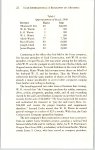
Show 86 UTAH INTERNATIONAL: A BIOGRAPHY OF A BUSINESS groups, often with diametrically opposing views, sometimes paralyzed decision making and kept Utah from moving aggressively to stay in the game with such competitors as Bechtel and M-K. Although Eccles had played a visible role in the management of the company as president, his personality, talents, ambition, and accomplishments kept him so busy before he retired from the Federal Reserve Board in 1951 that he limited his direct function as a real guide of Utah’s destiny. In addition, until 1971 corporate bylaws gave to the general manager “duties ... to look after and superintend all operations of the company.” The office of president existed primarily to satisfy corporate regulations within the state of incorporation and held no managerial implications beyond that of advising. When Corey became president as well as general manager in 1940, Eccles assumed the chairmanship of the board. This and other appointments served to emphasize the continuing importance of family members at the top of the company, with the natural idea that one of them would become heir-apparent. For example, W. H. Wattis’s son-in-law George P. Bowman became a member of the board in 1931 and in 1936 received a charge from his colleagues “to advise, confer with and assist the General Manager in any manner possible in the management of the corporation’s real estate and livestock holdings.” This gave Bowman, then in his forties, considerable authority and stemmed from his position as manager of Utah’s huge Vineyard ranch, headquartered at Montello, Nevada, where, according to Thomas D. Dee’s son Lawrence (Larry), he enjoyed playing the role of the rough, tough cowboy. Another example of this second-generation effect was E. O. Wattis’s son Paul, who came to the board at the age of thirty-two in 1931. Like Bowman, he had considerable experience working for the company, continued to perform actively through the 1930s, and became a vice president in the 1940 shuffle at the top. A year later, increasingly frustrated and disappointed with Utah’s decline from dominance, Wattis resigned from the board and the vice presidency to become more involved in his insurance business in San Francisco. As a matter of ethics, he frankly admitted to the board that he was no longer giving Utah top priority. E. G. Bennett, representing the board, suggested that he retain his directorship and continue as a |