| OCR Text |
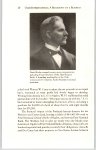
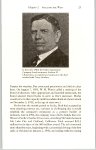
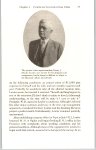
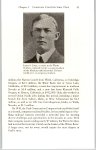
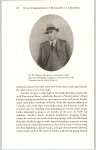
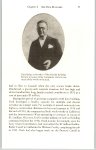
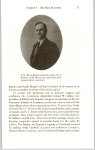
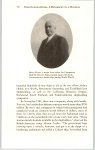
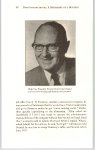
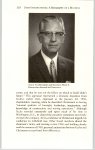
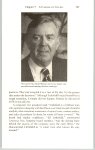
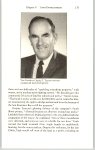
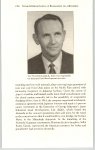
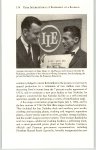
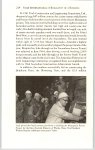
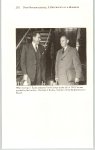
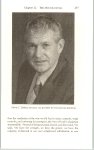
Show 92 UTAH INTERNATIONAL: A BIOGRAPHY OF A BUSINESS bright career successes of thirty-six-year-old Ed Littlefield. Eventually, Eccles determined to draw him into the family business. Littlefield had graduated from Stanford University with distinction in 1936, beginning as an English major and ending up in economics. Awarded a master’s degree in business administration from the Stanford Business School in March 1938, he became the first in his class to find a job when Standard Oil of California hired him at $150 a month. Littlefield was soon working for W. E. Bates, an assistant to vice president Ralph K. Davies, both of whom worked for Henry T. Judd, the corporate treasurer. The new executive’s job involved “sales investments,” exclusive sales contracts with undercapitalized companies (early clients were Yellow Cab and Pacific Greyhound), which drew financial support from Standard. Both Bates and the treasurer cleared the investments through Davies before they went to the board for final approval. In one illuminating incident early in Littlefield’s career, Judd did not believe the inexperienced man could handle a certain complex negotiation. Judd later apologized: “Mr. Littlefield, I want you to know I protested your being sent on this assignment.... I also want to say to you now [that] no one could have done better work than you did.” The young executive consequently became an assistant both to Judd and to his boss Victor Palmer. Littlefield always believed that his relationship with Palmer prepared him for working with Allen Christensen: “The two managers had an extraordinary genius, were extremely creative, yet they could not manage well what they created.” Littlefield’s next career stage seemed even more promising. When the president of Standard of California died, the two heirsapparent launched a bitter fight for the office. In the wake of the realignment of power, Littlefield had the opportunity to become assistant treasurer of the company. His two immediate superiors recommended the advancement, although he was only twentyseven. As Littlefield himself ruefully recalled, “The eighteenth floor of the Standard Oil building was not quite ready for a twenty-sevenyear-old assistant treasurer. The matter had not been approved, but it was being debated.” The question suddenly became moot. Littlefield was Henry Judd’s house guest on the fateful Pearl Harbor weekend of December 7, 1941. Before that memorable Sunday |