| OCR Text |
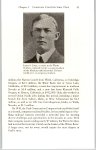
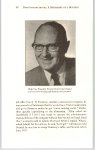
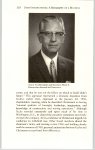
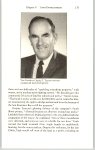
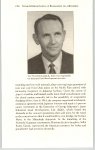
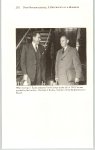
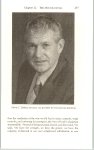
Show test eer cae iat Chapter 6 REINVIGORATING MANAGEMENT 93 morning, their conversation had revolved around Judd’s confidence “that I would ultimately be acceptable by the board of Standard as assistant treasurer.” When the announcement came on the radio that Pearl Harbor had been bombed, Littlefield immediately went on active duty as a Naval Reserve officer, and Standard’s plans for him went on hold. After some eighteen months of working for Naval Intelligence in San Francisco, Littlefield received a letter from Ralph Davies, now deputy petroleum administrator in the War Department, asking if he would accept a transfer to Washington. Davies had struck a deal with the Secretary of the Navy to attract qualified people in the armed forces to the petroleum side of the war effort. Littlefield jumped at the chance and left for the nation’s capital, where he learned invaluable management lessons under Davies’s farsighted, painstaking tutelage.”It’s not what you do now,” Davies told him. “You think of the years in the future—ponder what you’re getting into.” Davies also taught him by example many valuable skills and leadership principles. For instance, his mentor would “rewrite a one-paragraph letter several times, changing words, just to get them right. In a sense I learned a kind of perfectionist technique from him.” In spite of his admiration for Davies, who later became chairman of the board at Stanford, Littlefield was ready to move out of his orbit at war’s end, so he accepted in August 1945 a managerial position with Golden State, a processor and distributor of dairy products. As he thought back on his time with Davies, he realized that remaining with him had held great opportunities. “He taught me a great deal,” Littlefield acknowledged. “He taught me a lot about thinking, of thinking for myself, but ... he was a tough taskmaster [and] I decided I didn’t want to work for such a demanding boss. Life was too short.” As a division manager at Golden State, Littlefield acquired operating experience in contrast to his previous background as a staff officer. From this perspective, he discovered he had a talent for solving problems that he tested in six different jobs in five years at Golden State, including director of marketing, although he confessed that he “had no taste for managing salespeople all of my life.” He later said, “I got a lot of experience painted on me pretty |