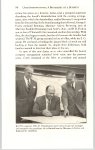
| OCR Text |
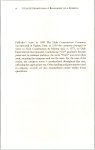
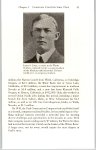
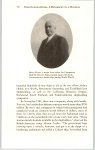
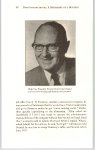
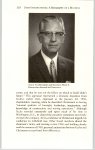
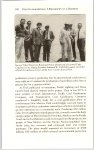
Show 100 UTAH INTERNATIONAL: A BIOGRAPHY OF A BUSINESS function of being the organization that screened and evaluated the important decisions to be made and made its recommendations to the board of the action that should be taken. Nearly two years later, in January 1953, Littlefield, who was already financial vice president, treasurer, and secretary, and a member of the executive committee, also became a member of the board of directors. He put the appointment in perspective: Not being a director really had no practical effect one way or the other on my ability to perform, since I attended all of the executive committee meetings and board meetings and usually had a key role in preparing and presenting the material to both bodies. The urgency to elect me to the board came about because of some banking regulations concerning conflicts of interest that prohibited a bank from making loans to a company if a majority of that firm’s directors were also directors of the bank. I was needed on Utah’s board since the majority of its members were also directors of First Security Corporation [in Salt Lake City]. With these modifications, Utah’s top management by 1953 consisted of Littlefield, Corey, Christensen, and vice presidents A. H. Ayers (also chief engineer), Charles S$. Davis, and George R. Putnam, who headed construction divisions. Littlefield saw his role as guiding strategy formulation, along with his day-by-day management responsibilities. While there is no doubt that his vision led to much of the firm’s success in the fifties and sixties through “establishing corporate objectives ... and having a detailed master plan,” he modestly stated that Utah merely responded in many cases to “fortuitous circumstances which came along.” As that master plan developed, sharp divisions persisted among company leaders over pursuing construction versus mining projects. The anti-mining group had some ammunition. In 1951, the Argonaut mine in British Columbia recorded a backlog of two million tons of magnetite iron ore, yet saw no profit from the output, which went to Japan. Other Utah mines, however, showed |