| OCR Text |
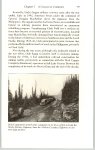
Show Chapter 6 REINVIGORATING MANAGEMENT 103 equipment selected for construction jobs. We soon learned there were damned few construction fellows who can be successful miners.” Construction men “were great if someone told them what earth to move, but they couldn’t do the mine planning and ore treatment.” In spite of all the difficulties in mining, Littlefield looked at the company from a wide perspective and concluded “that this mining business was the way to go because the construction business wasn’t.” It was clear, however, that the problems at Argonaut had to be solved before he could propose any other mining venture to the board. Christensen had sent J. A. (Tony) Mecia, a Stanford engineering graduate in his early thirties, to British Columbia to assess Argonaut. Littlefield read his analysis and reported: There was no way we could operate the mine profitably during the winter months. It was Tony who found out that the mill through which the ore was processed was improperly designed for the kind of ore it was treating [a matter of wet versus dry processes]. Additionally, the mine operated used trucks which were totally inadequate for haulage requirements. As a result of his findings and the steps taken to correct them, Argonaut became profitable and finally even broke even as a project before the ore was exhausted, but the board still had a very sour taste in its mouth. Nevertheless, Littlefield always promised the relevant facts for the board, the shareholders, and the financial community—and he delivered them in Utah’s annual reports, its in-company publications, board minutes, and senior management commentaries. Those relevant facts portrayed not only a company remaking its management, but now a company turning steadily from construction to mining. |