| OCR Text |
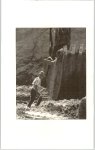
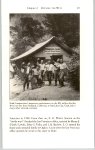
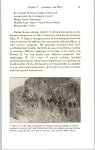
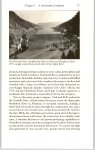
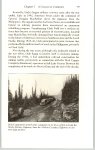
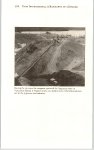
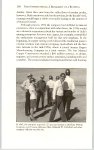
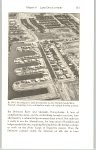
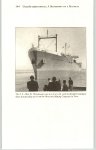
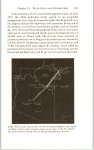
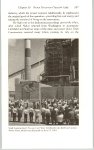
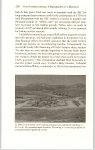
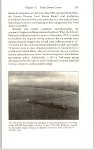
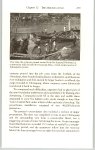
Show 108 UTAH INTERNATIONAL: A BIOGRAPHY OF A BUSINESS 74, the amount of copper sold increased by 400 percent and the earnings from the mine increased by 700 percent. Such extensive involvement in the copper business put Utah on the list of America’s major nonferrous metal production firms. In addition, the company’s domestic copper activities had an impressive counterpart north of the border in Canada. By the mid1970s, Utah Mines, Ltd., a wholly owned subsidiary, would complete its development of the Island Copper Mine. This mine, the second-largest copper mine in Canada, had a production capacity of 230,000 tons per year of copper concentrates and eighteen hundred tons per year of molybdenum concentrates. Utah Construction’s history of mining in western Canada stretched back to 1949 when the company acquired the Argonaut iron mine on Vancouver Island, near the Campbell River. Almost two million tons of beneficiated iron ore from this mine went to the Japanese steel industry during the six years (1951-57) the company operated the mine. About the same time that the Argonaut Mine shut down because its iron ore reserves were spent, an exploration office opened in Vancouver with the objective of finding and developing iron properties near tidewater to serve growing Japanese markets. During the late 1950s, the major efforts of the exploration group aimed at developing iron deposits in southeastern Alaska. In the early 1960s, however, exploratory efforts began to concentrate on western Canada and increasingly turned to the search for copper, molybdenum, and other important nonferrous and precious metals. The bonanza came with the discovery and subsequent development of the Island Copper Mine, located at the northern end of Vancouver Island and accessible by both land and sea. Companion mill facilities rose on Rupert Inlet, about ten miles south of Port Hardy, British Columbia. Utah Construction became interested in the Island Copper deposit in 1965, when a local prospector, Gordon Milbourne, made a classic discovery of mineralization in the tangled roots of two overturned trees. Digging by hand in the depression under the trees, he exposed a small system of narrow pyrite and chalcopyrite veins. Milbourne submitted his claims on the area to the company. After concluding an agreement with Milbourne, Utah began an extensive field examination, which included a systematic program of geologic |