| OCR Text |
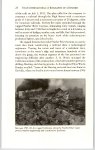
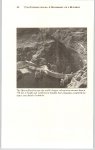
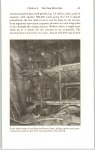
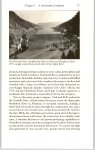
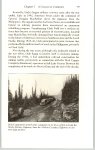
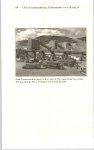
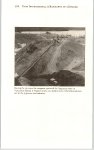
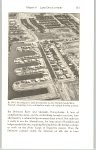
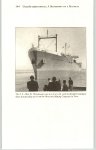
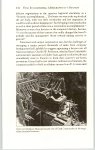
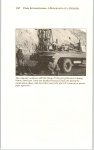
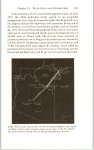
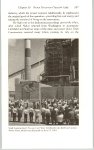
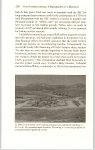
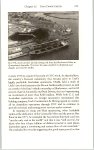
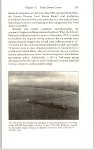
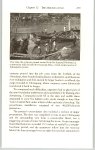
Show 110 UvTAH INTERNATIONAL: A BIOGRAPHY OF A BUSINESS upper portion of the ore body with several tunnels (drifts). The material from this work was shipped to a Utah pilot plant at Cedar City, with selected samples going to equipment manufacturers for grinding and crushing tests. During this same period, the company entered into initial negotiations with Canadian provincial and federal agencies to comply with various mining regulations. By early 1969, studies of marketing, housing, environmental considerations, metallurgy, and plant design considerations were complete. The ore body would contain approximately 280 million tons of ore within the proposed pit limits at 0.522 percent copper and 0.029 percent molybdenum sulfide. Utah’s board of directors approved continuing with the project, and work began in June 1969. Eighteen months later, the task reached completion at a cost of nearly $80 million to cover a 33,000-ton-per-day copper and molybdenum concentrator and related mine facilities. Visitors to the site marveled at the six largest autogenous (self-fusing metals) grinding mills ever installed in the mining industry. Also, the dock facility could accommodate 40,000-dead-weight-ton ocean-going vessels, required for transporting the copper concentrates to smelting facilities throughout the world. Planning the mine’s operation presented some imposing problems, although the Island Copper Mine was typical of many large copper deposits. With a stripping ratio of overburden to ore of more than two to one, the open-pit operation called for removing more than 100,000 tons of ore, rock, and overburden each day. After drilling and blasting, the ore itself would be loaded into trucks and hauled about one mile to the mill, where Utah’s plans envisioned a unique operation to dispose of the tailings by discharging them into the sea through a submerged outfall. Following public hearings concerned with ecological pollution problems, the company received a permit from the government of British Columbia to carry out its marine tailings disposal system on condition that the company retain an independent team of scientists from the University of British Columbia to evaluate data and guide the company’s own on-site environmental group. Over the next twenty-five years, the pit came to occupy about 490 acres—seventy-five hundred by thirty-five hundred feet wide and eight hundred feet below sea level, a depth roughly equal to the |