| OCR Text |
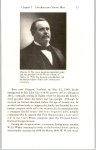
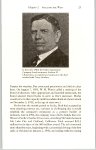
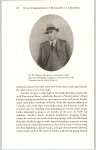
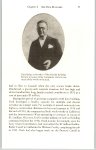
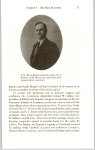
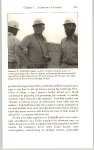
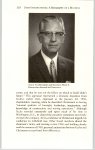
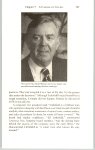
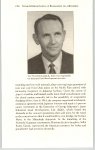
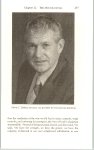
Show Chapter 7 A CHANGE OF COURSE ti Edmund W. Littlefield’s titles reflected his increasingly pivotal role in the firm as he solidified corporate objectives and promoted diversification. Marriner S. Eccles and Allen D. Christensen continued their responsibilities as chairman of the board and president/general manager, respectively. Meanwhile, Salt Lake City construction functions merged into San Francisco’s and began operating as the Heavy Construction Division, headed by Charles S. Davis. Tony Mecia headed the mining operations at Ozark and Cedar City, while Frank Keller took responsibility for land development. As Utah’s mining ventures multiplied, so did its possibilities. For instance, the acquisition of the Lucky Mc uranium mine in Wyoming and its shareholder base raised a question that company leaders had debated earlier—issuing public stock. Wanting shareholders to have enough of a market if they had to sell, or wanted to sell their interest in Utah Construction, Littlefield and Eccles began grooming the company for increased public attention. They published enhanced annual reports, cultivated investment banks and large stock brokerage firms, and made more detailed presentations on “going public” to the board. They also encouraged appointing more directors from other firms, selected “strictly for their talent and ability to function with the board, and not necessarily [for] having a large amount of shares,” as Littlefield put it. Two impediments stood in their way: the small number of shares outstanding to meet the New York Stock Exchange listing requirements and the cyclical nature of construction’s sometimes unpredictable swings in demand. The board solved the first problem by issuing one hundred shares for each share held by both Utah and former Lucky Mc investors. Since there were only about 150 shareholders in 1956, the number of shares issued was not significant. But the construction division was a different problem. As Littlefield said, “It would make some money and then lose some money, make some, lose some ...” The company boasted no exceptional engineering talent, and the competition became increasingly lethal. As Henry Kaiser said of this cut-throat business environment, “Whenever you beat out ten contractors on a job, you got it too cheap.” Littlefield realized that “it was nothing for very |