| OCR Text |
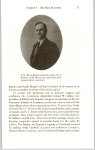
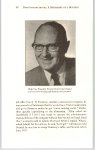
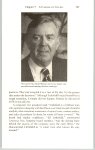
Show Chapter 7 A CHANGE OF COURSE 113 Hoping to avoid corporate trauma and perhaps disruptive change, Littlefield encouraged Christensen to talk through his differences with Eccles: “Allen, you’re getting in terrible trouble, and I think you ought to go in and make your peace with Marriner.” From Littlefield’s perspective, Christensen made the grave mistake of deciding that he was indispensable. He felt that “he could defy Marriner and the board because Utah couldn’t run without him. What he didn’t realize, at that point, was that the board had pretty well decided that Utah could run better without him than with him.” By the time Littlefield finally persuaded Christensen to meet with Eccles, the chairman had his back up and put him off, saying, “Pll talk to you when I’m ready.” Meanwhile, Eccles informed Littlefield in direct terms that he was the best-qualified candidate for the job of general manager. Littlefield later reflected on this open invitation with mixed emotions: I really wasn’t even sure I wanted the job. At that time, I was confident I would be a very good financial vice president. I wasn’t confident that I could be a general manager and chief executive officer. Utah was in turmoil, and I didn’t know much about running the construction business or, for that matter, the mining business. I had a serious question in my mind whether the organization would accept me because I had never tested those waters. And secondly, I certainly had a question as to how would be seen by the industry and the people on the outside. So I resisted and tried to get the two of them together. Eccles remained insistent. “Just make up your mind,” he said. “If you don’t take the job, we’re going to go outside and hire somebody. I’ve talked to all the members of the board. They all think you could do it; you’re the only director who doesn’t think you can.” After careful thought, Littlefield decided to take the job on three conditions. First, the board must unanimously agree to the move and agree that Christensen no longer had their confidence. Second, Christensen must remain as president to provide as much continuity and as little disruption as possible, at least for a time. Third, the |