| OCR Text |
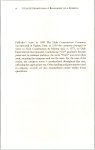
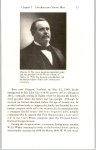
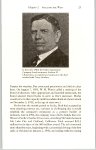
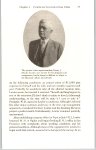
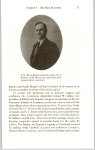
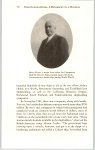
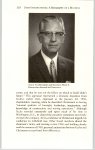
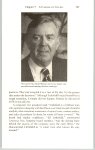
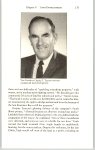
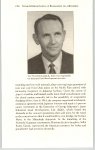
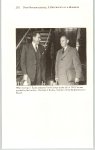
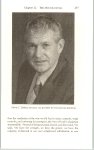
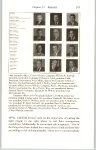
Show 122 Uvrau INTERNATIONAL: A BIOGRAPHY OF A BUSINESS Ernest C. Arbuckle, former dean of the Stanford Business School, chairman of Wells Fargo Bank, and a member of other large company boards, such as Safeway, was repeatedly impressed with Littlefield’s “great analytical capabilities. He doesn’t waste his time on insignificant data. He knows how to interpret the information.” Arbuckle also noted Littlefield’s “extreme powers of concentration.” Perhaps the key to understanding Littlefield’s extremely positive effect on the fortunes of the company was his unique blend of competitiveness and competition. “He took up bird hunting and resumed golf late in life,” mused Arbuckle, “and he hates to get beaten.” Unlike many competitive men, however, he had a remarkable ability to work with the people around him. “He creates an environment in which they can feel secure and be responsive,” remarked Arjay Miller, another longtime board member. “I think the whole Utah organization is different from most, due to the characteristics he has built into it.” Miller particularly noted a familial warmth Littlefield brought into his speeches and other management activities. “That is an important characteristic that not all CEOs have.” Miller was also greatly impressed with the way Littlefield related to the board. Recalling his own background with six other large company boards, including Ford Motor Company, where he was vice chairman, Miller lamented the tendency of some companies to rubber stamp various projects without thoughtful and prudent discussion. Among all of Littlefield’s companions at Utah, none could see more clearly his effects on the company than Marriner Eccles. The board chairman never made any secret of the fact that he considered persuading Ed Littlefield to come into the company “the most fortunate thing which could have happened to Utah.... He should be given the credit for its fabulous growth and success. He has proven to be an outstanding executive, a great administrator, with excellent judgment and great foresight.” For his part, Littlefield always credited company successes to team work, saying, “everybody worked hard, including me, but all of them were pretty damn good.” He discouraged clutter from “a lot of committees and procedures, and I think I had the capacity and the willingness—the guts, if you will—to make decisions. We kept the communications channel very clear, very clean.” |