| OCR Text |
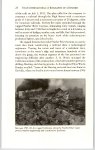
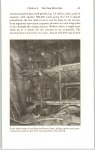
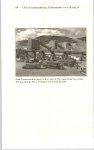
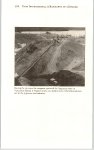
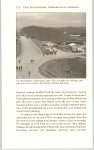
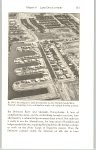
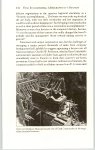
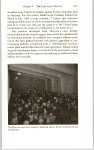
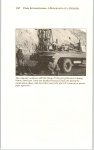
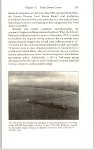
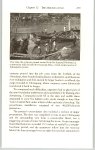
Show 132 Uvrau INTERNATIONAL: A BIOGRAPHY OF A BUSINESS original and still largely undeveloped Bay Farm Island parcel, which it sold to Shoreline Properties, Inc., in 1965 for $6 million. While all of this land development energy in the Bay Area added to Utah’s bottom line, the heavy investment in the Franciscan also served to draw Utah into the contract dredging business. When political opposition and other difficulties stalled work at Alameda and Bay Farm Island, Utah Dredging looked for commercial contracts that would keep the massive machine busy. The first major contract came in 1956 when the company landed a $4.5 million job to prepare land for the Metropolitan Oakland International Airport. The Franciscan began dredging in June 1956 and completed the job two years later, after Utah Dredging placed nearly fourteen million cubic yards of fill to create enough land for a terminal and an 8,600-foot runway. The Oakland project’s success inspired company executives to have a second dredge built, similar to the Franciscan but with its own self-contained power plant. Ordered in 1956, the Alameda began operating in late 1958. By then the company also had acquired a clamshell dredge called the Californian, as well as barges, tugs, and floating cranes. The Alameda immediately went to work on a second stage of the Oakland Airport. In 1958 the new portion—including the runway, the taxiways, and the building areas—resembled a series of sand spits linked by mud or water at high tide. Complicating the Oakland project was the need to deposit the sand and mud in sections, leaving space for a proposed bridge between Oakland and San Francisco. Also, tractors occasionally sank when they hit a pocket of soft mud, and the dredged sand was so abrasive that the pump shell, liner, and runner had to be replaced as often as twice a week. These sinkings happened often enough that Utah mechanics installed Cummins 270 HP diesel engines in the tractors and sealed them to minimize damage when submerged. This process resulted in “down time” about one day in seven. Despite such challenges, the powerful Franciscan came through magnificently as it pumped sand and fill 26,600 feet without the aid of a booster, including a stretch across two miles of tidal flats over a crib line on timber piles. In August 1959, Utah Dredging moved the Alameda to the East Coast principally to dredge a federally sponsored ship channel on |