| OCR Text |
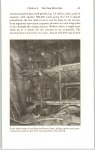
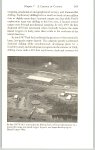
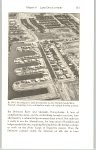
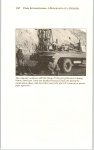
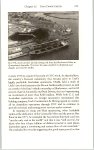
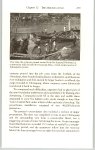
Show Chapter 8 LAND DEVELOPMENT 135 working through a backlog in Southern California that included projects worth an additional $5.8 million, the Franciscan returned late in 1966 to the Bay Area. Over the next two years, its cutter scooped up about twenty-two million cubic yards of dredged fill, but when the work finished, no one seemed to know whether the enterprise had produced a profit. Constantly plagued with political controversy, Bay Farm Island dredging never managed to escape the same objections that critics had raised ten years before. Quick wits at company headquarters across the bay often exchanged quips about the “troubled waters” off the South Shore. A small note, for example, appearing on one of the final Bay Farm Island reports asked in jest whether it was even possible to tell if the project had reached completion. Someone else then penned under it, “Ask Joe!” a reference to beleaguered Vice President Joseph Allen. Actually, the company had reclaimed nearly nine hundred acres of land under a contract amounting to $2.9 million, although it seemed a new problem emerged every day. While the Franciscan’s continuing productivity secured its reputation as the premier dredge on the West Coast, the smaller San Mateo also had little trouble earning its way. During 1964, it completed contracts grossing $480,000—the channel to the Stardust Marina in Isleton, California; Moss Landing Harbor in Monterey County; and the Suisin Point Channel in Martinez, California. During the next year the dredge did three jobs, one at Stockton for the Army Corps of Engineers; another at Santa Cruz Harbor, opening up the entrance; and still another at Redwood City, plowing out a barge channel and dock area for Ideal Cement Company. These three contracts totaled $136,000. Although the company used San Mateo on fairly small jobs, it was a workhorse— the busiest in the triumvirate of Utah dredges. In 1966-67 it cut a trench for the Bay Area Rapid Transit (BART) tube across the San Francisco Bay, then went to work for the Port of Oakland, labored next on the Sherman Island Levee and at Stockton, and finally began dredging at the Oakland Middle Harbor. Across the Pacific, meanwhile, the Alameda had left its bitter East Coast experience behind after the long trip to Japan, with which Utah Dredging’s parent company was building a lucrative business relationship. Following company philosophy about |