| OCR Text |
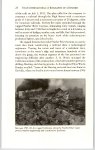
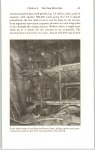
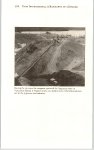
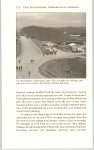
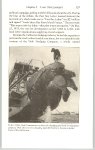
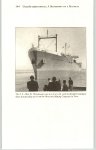
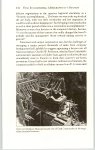
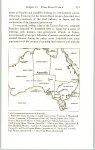
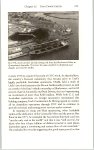
Show 138 UtTAH INTERNATIONAL: A BIOGRAPHY OF A BUSINESS heavy damage. A suspected hole in the hull could not be found when the Alameda was pumped out, and it returned to work. On completion of the Mount Goldsworthy project, Utah Dredging, now with JILD as its partner, successfully negotiated a second phase dredging at Port Hedland for the Mount Newman Mining Company. The scope and completion time for this job required that the Kokuei Maru come from Tokyo to assist the Alameda. This project became one of the most profitable major undertakings of the construction division ($16.4 million profit on $42.5 million revenue), but it ironically led to a bit of a problem. Inasmuch as negotiations for the sale of Utah’s construction division to the Fluor Corporation began during its course, the projected profitability of the Mount Newman Project became an issue in the discussions to the degree that the dredging division did not become a part of the ultimate sale. In any case, following completion at Port Hedland, the Alameda and the Kokuei returned to the reclamation projects in Japan. In 1971 JILD purchased all of Utah’s dredging plants and equipment. The company thus discontinued all dredging activities and sold its operation at a gain of $1.4 million. Although the dredging adventure had been brief by company standards, its wide scope enabled it to contribute many colorful anecdotes to company lore as the three vessels traveled the world creating new shore lands and assisting in the company’s internationalization. While interesting and profitable in its own right, the dredging adventure developed as an outgrowth of Utah’s expanding commitment to real estate and land development, a determination that rose first out of postwar construction activities around the growing complex of military bases. Housing projects at Sandia and Kirtland Heights in New Mexico, Daly and Lewis Acres in Illinois, and North and South Mathes Heights in California went up to accommodate relatively low-income families. Financed with Federal Housing Authority mortgage money, the homes passed through a rental phase, after which the military purchased them at a handsome profit. Between 1950-54, agencies such as the Atomic Energy Commission contracted with Utah for housing units in Wichita, Topeka, and Salina, Kansas; Joliet, Illinois; San Diego, |