| OCR Text |
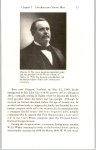
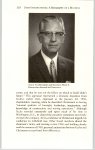
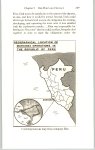
Show 148 UtTAH INTERNATIONAL: A BIOGRAPHY OF A BUSINESS The time problem only complicated an already difficult logistical situation. No port or loading facilities existed, no adequate river or road network linked the plateau to the sea, no equipment was in the field, and no cargo vessels were under contract to transport the ore from Peru. In order to realize any profit from the contract with U. S. Steel, Utah Construction would have to arrange for an accelerated placement of substantial quantities of machinery and manpower as well as rapidly building a functional transport and offloading network. Christensen realized that such instant marshaling of necessary manpower and equipment lay well beyond the company’s means, so he began floating requests for help in the financial community. Through mutual friend Alfred Thomas at Morgan Guaranty Trust, Christensen came into contact with Harvey Mudd, president of the large and successful Cyprus Mines Corporation of Los Angeles. Like Utah, Cyprus had been searching for promising overseas investment opportunities. Mudd eagerly agreed to discuss the matter with Utah, and negotiations aimed at uniting the resources of the two corporations began immediately. On October 28, 1952, Utah’s board formally approved the investment in Marcona, but only on condition that Utah commit no more than $2 million on top of the original $500,000 already spent for exploration and negotiations. After whirlwind discussions, Christensen and Mudd initialed a partnership agreement and created a joint subsidiary—the Marcona Mining Company. The deal with Cyprus called for each party to invest between $2.5 and $3 million in the project, with each partner receiving 50 percent of the common stock. Cyprus secured the right to 43.75 percent of Marcona’s earnings, Utah 41.25 percent. Key officers included Christensen as president, Charles McGraw as vice president and general manager (after the brief tenure of Harlan A. Walker), and Mudd as a director. The new company, headquartered in San Francisco, assumed and exercised the concession option with the Peruvian government in January 1953. Looking back some years later, Littlefield summarized the yearlong drama: Christensen and White obtained a _ concession agreement in February 1952 that had essentially two parts. |