| OCR Text |
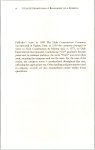
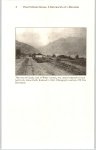
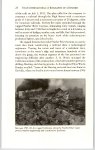
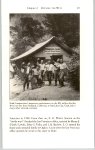
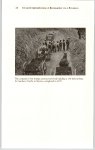
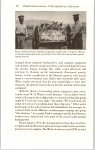
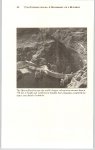
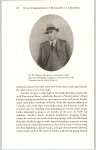
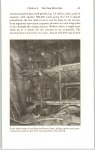
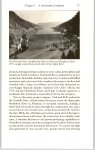
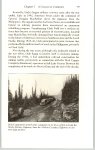
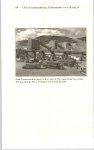
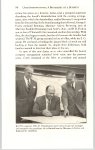
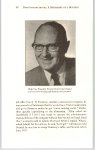
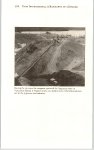
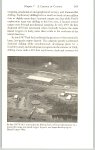
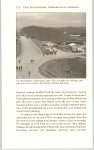
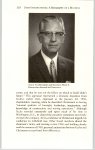
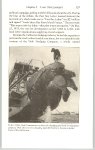
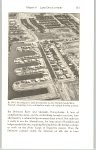
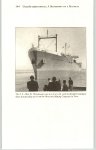
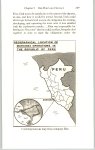
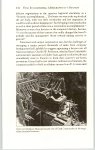
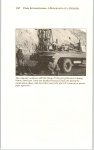
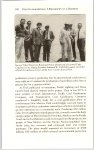
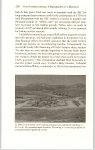
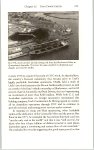
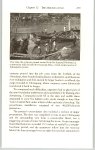
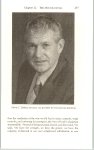
Show 150 UtTaAu INTERNATIONAL: A BIOGRAPHY OF A BUSINESS concession and still satisfy the Utah board. The construction personnel under his instruction would know how to perform the work in Peru, assemble the necessary construction equipment and supplies, charter a ship, load the vessel in the U. S., and unload it quickly when it landed in Peru. It was a courageous decision and one in which I really had no part other than to be advised that it had been done. Despite Littlefield’s modesty, and although Christensen certainly played the lead role, Littlefield’s part in the dramatic initiation of the Marcona venture went beyond mere advisement. For example, while Christensen traveled to Pittsburgh to negotiate with U. S. Steel, Littlefield successfully “sold the deal to the Utah board.” He retired after a grueling day—an all-day board meeting followed by a black-tie family affair. About 3:30 a.m., Christensen called jubilantly from Pittsburgh. He had lined up U. S. Steel. Littlefield remembered exclaiming, “Wait until I go throw some water on my face!” When he got back to the phone, Christensen said, “You get down to Los Angeles, and I’m going to stay here, and you keep the Cyprus people lined up.” Finally, on New Year’s Eve, 1952, the parties closed the deal and the Peruvian odyssey got underway. Now came the heavy lifting. The contract with U. S. Steel specified that Marcona would deliver ore on April 1, 1953, only ninety days away. Utah and Cyprus were starting from scratch, because “we didn’t have anything down there,” so assembling and shipping equipment took top priority in the next few weeks. In January 1953, the first shipload of heavy equipment arrived at a San Juan port. Road crews began clearing a transit corridor from the port to the mine area some thirteen miles inland. Construction began on offloading dock facilities and a village to house Marcona employees. Simultaneously open pit operations got underway at the mine site as bulldozers scraped surface-zone ore where early cuts indicated that direct shipping grade ore existed in quantity near ground level. This hematite ore required only crushing and sizing modification before delivery. By April, a fleet of cargo trucks began hauling it to the San Juan dock works. |