| OCR Text |
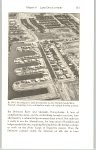
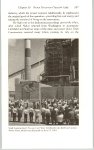
Show Chapter9 THE PERUVIAN ODYSSEY 137 facility on April 21, 1962. Now serving as president of Marcona operations (having succeeded first McGraw and then Christensen as Peru operations chief executive), Charles W. Robinson delivered the key address, emphasizing the facility’s future contributions not only to the company’s operations, but also to Peru’s current and future economic health. The new plant added to company revenues immediately. During the twelve-month period ending in October 1963, the Marcona group realized a net after-tax earning of $1 million, a substantial increase over the preceding year, but the new era Robinson promised in his speech—which appeared so conspicuously in the profit statements of 1963—concealed a genuine uncertainty about Marcona’s future in Peru. On the surface, relations between the Marcona group and Peruvian government officials seemed solid enough, but they had actually become quite fragile due to dynamic undercurrents sweeping Latin America generally and Peru specifically. In 1960 Peru represented a classic example of an economy dominated by foreign investors and a domestic oligarchy. American firms were producing and often exporting most of the nation’s important commodities—cotton, sugar, silver, copper, petroleum, and iron ore—under an economic policy that encouraged outside investment by offering liberal incentives. In the case of mining operations, provisions for rapid depreciation write-offs and a generous depletion allowance advanced investment considerably. By 1960 total American investment in Peru had reached approximately $600 million, the vast majority of it centered on petroleum and mining. Most Peruvians, however, did not share in the benefits of the program. In fact, the internal distribution of wealth in Peru remained among the least equitable in the world, with 2 percent of the population owning 90 percent of the nation’s arable land. The top 1 percent enjoyed 25 percent of the national income while the bottom 20 percent controlled only 2.5 percent. The vast majority of the people lived in dire poverty, and nearly 50 percent could not vote because they did not meet literacy requirements. In such a setting, a strong reform movement that tilted toward radicalism inevitably evolved. Even officials of the moderate |