| OCR Text |
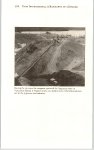
Show Chapter9 THE PERUVIAN ODYSSEY 161 completely reassure them. When the junta, for example, issued a decree in February 1963 creating a centralized economic planning agency, Marcona quickly arranged a meeting with its director. East assured the government of the firm’s interest in the stable and progressive economic development of the country. The junta leader impressed East by stating his earnest desire for Marcona’s cooperation and by promising to involve the company in planning discussions. In a subsequent letter to Robinson, East encouraged close collaboration with such planning agencies. Robinson agreed in his letter of reply but counseled prudence: “There are dangers of misunderstanding, misconception, etc. in dealing with a public body ... [so] this should be approached with extreme caution.” While short-term conditions seemed reasonably secure, Robinson’s wariness proved justified when the junta scheduled 1963 elections, partly due to pressure from the Kennedy administration to restore civilian rule. With the election of Fernando Belaunde Terry, the versatile leader of the Acci6n Popular party, the junta relinquished power peacefully, but the prevailing mood in San Juan and San Nicholas remained one of watchful waiting. Although the new president characterized himself as a moderate, he had obtained crucial leftist support by participating in the campaign to make American firms more responsive to national needs. These political clouds thus darkened the future of the Marcona group as its first decade in Peru ended. Financially sound and efficiently integrated, Marcona represented perhaps the most valuable component of Utah’s growing international empire. In early 1963, company leaders unveiled an ambitious ten-year plan for expanding its Peruvian mining and shipping activities that promised to expand earnings and investment opportunities. The plan called for continued development of the new San Nicholas complex and projected an investment outlay of $80 million between 1963-70. Engineers estimated that this expansion would increase the San Nicholas output from under five million tons to more than twelve million tons per year and raise after-tax profits from roughly $7 million to more than $25 million. Robinson expressed his confidence in the expansion to Littlefield and Mudd. The mine’s reserve capacity was immense, |