| OCR Text |
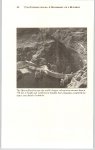
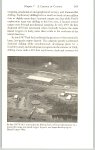
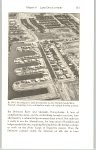
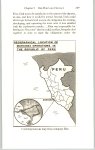
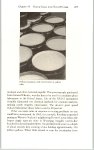
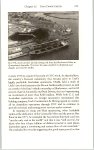
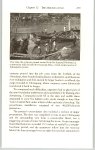
Show 162 UTAH INTERNATIONAL: A BIOGRAPHY OF A BUSINESS and market forecasts predicted strong demand for Marcona’s ore products. In addition to profitability, however, Robinson revealed another motive for implementing the plan. “We must,” he said, “carefully consider the advantage of reducing the ‘political risk’ through [demonstrating a] willingness to continue reinvesting at least a portion of the profits generated in Peru.” As early as 1961, Robinson had urged Utah and Cyprus to view Marcona’s shipping division as more than a cost-reduction factor. It seemed wise, he explained, to “reduce the risk inherent in an extended operation based almost exclusively on iron ore exports from Peru,” a country with a growing consensus for nationalization. With its problems and prospects clear, Marcona pressed ahead with expansion plans slated for the mid-1960s. Earnings markedly increased as the company brought new facilities into operation at San Nicholas, among them two _ pellet-making plants, a nonmagnetic (gravity) concentration conveyor network plant, an extension of the from the mine site to San Nicholas harbor (eleven miles total), the installation of flotation circuits to reduce sulphur content in ores, and the general upgrading of several operational units. In addition to reinforcing the dock works at San Nicholas, Marcona dredged to improve the harbor. Work commenced on an auxiliary power plant in 1968, along with a new specialized sulphur flotation unit to meet Japanese air quality standards, further expansion of the San Nicholas docks to accommodate gigantic ore carriers, construction of a bentonite processing plant that created clay from decomposed volcanic ash, and a third thermal power plant. This intense development underscored the firm’s intent to center operations at the more accessible site. San Juan continued to be a company town, but processing operations gradually diminished until, by June 1967, it closed shop. Marcona then donated the dock facilities and warehouses to the Peruvian navy as a gesture of goodwill. Marcona’s ten-year plan also included an ambitious scientific research program to develop more cost-effective mining processes. An impressive array of key technical innovations emerged, including the 1963 development of the standardized pelletization process that made handling ore at the blast furnace easier. Perhaps the most significant work emerged with the landmark introduction |