| OCR Text |
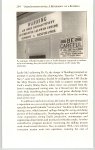
Show $250 million ranked highest among foreign firms doing business in Peru. After the laws changed, Cerro executives decided to sell out to Mineroperu and proposed a negotiated nationalization in December 1971. Negotiations quickly broke down, however, when the government offered Cerro no more than $12 million, while the company held out for between $175 and $250 million. The Cerro stalemate degenerated into an angry war of words in the local and international press, with both parties running selfserving advertisements in the New York Times on September 23 and 30, 1973. Frustrated, Cerro withdrew its offer to sell, publicly blaming Velasco’s intransigence. Peru responded by charging Cerro with bad-faith bargaining, mistreating its workers, and violating housing laws. This tense atmosphere eased only when James Greene, senior vice president of Manufacturers Hanover Bank, arrived in Lima with orders from President Nixon to review all outstanding expropriation issues between Peru and American businesses. Greene persuaded the parties to arbitrate, with nationalization scheduled for December 31, 1973, so the company could use its losses as a tax write-off. Cerro ultimately received $77.7 million for its holdings. These developments reinforced Marcona’s growing concern for its own future in Peru. Not only had the Velasco regime tackled the largest multinational in the country, but it also unveiled a new plan of socio-economic organization—the so-called “social property” movement, a revised property definition with the potential of radically restructuring society. It envisioned employee-elected general managers and a boards of directors running enterprises, a concept not far from the idea of Marxist collectives. In addition to paying wages, the plan proposed dividing a business’s liquid assets equally among the workers at the end of the year. While the new economic structure tolerated private companies, the social property component concerning ownership eventually would prevail. Marcona leaders viewed the implications as ominous. How could it survive as a capitalist island in a social property state? Also, launching the program seemed expensive, and rumors flew of a pending new tax on export firms such as Marcona. Already Lima struggled with a capital shortage that made Peruvian leaders reckless in dealing with resident multinational firms. For example, ae 73 i THE PERUVIAN ODySSEY ia TONES ae- ae men RPMS ‘ RENAE eg TEP nei ae Ie¥ NTS , ND Pore thera i wales‘ Sr Tee NR dynes et SAME tang otras eCPM SNR Me RAPS YS Sa ae, TO ee eT j TRI a ee Oe ET EEN eee e ey j Chapter9 |