| OCR Text |
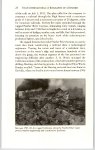
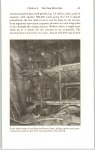
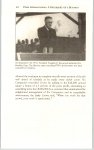
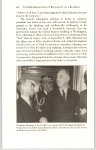
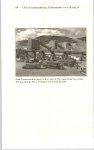
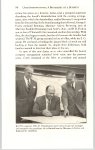
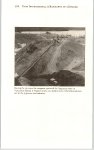
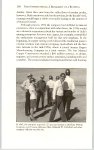
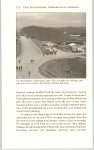
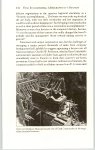
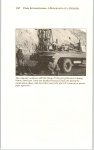
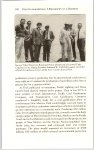
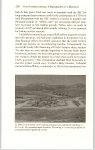
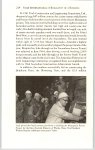
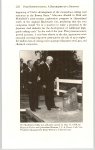
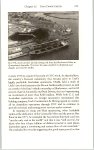
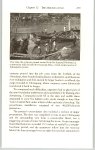
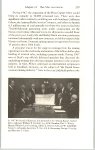
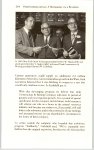
Show 186 UTAH INTERNATIONAL: A BIOGRAPHY OF A BUSINESS 2,400 cubic yards per hour, this machine could remove 16,000 cubic yards of waste each working shift. Every year this dragline moved twice the material Six Companies put into Hoover Dam—or enough to bury a football field under one mile and a half of rock. A second dragline, one-fifth again larger than the 7900, went into operation five years later, and still others followed as the nation’s largest coal mine grew. After the dragline uncovered the coal, ten-yard shovels went into action, loading the fuel into bottom-dump haulage units, each capable of carrying 120 tons. Handling facilities included a 350-ton hopper with a primary single-roll crusher that reduced the mine coal to chunks no larger than eight inches thick. The coal then rumbled along a five-foot-wide conveyor belt to a secondary ring hammer mill that crushed it to less than three-quarters of an inch, then dumped it into one of six 35,000-ton blending piles to ensure a uniform grade of coal for delivery. Utah developed this system for storing and blending mine output prior to delivery—a first in the coal-mining industry. With such efficiency, by 1963 the company was producing seven thousand tons of coal daily at Navajo, with crews stripping during fifteen shifts per week while loading and hauling on five shifts per week. Finally, on a balmy June 21, 1963, more than five hundred guests assembled at the Four Corners Power Plant for formal dedication ceremonies, which included a tour of the mine and generating facility. Frank L. Snell, APS executive committee chairman, served as master of ceremonies. Although the Tribal Chairman Raymond Nakai was called to Washington, his representative, Carl Todacheene, keynoted the event. His theme was “God made us neighbors; let us be good neighbors,” a sentiment that summed up the cordial relationship that had developed between the tribe and the combined industries of the mine and power plant. Then Littlefield summarized some of the many hurdles the project had surmounted due to “the foresight and practical imagination of our engineers and geologists [who] convinced us that advancing technology would provide solutions to most or all of these difficult problems.” Littlefield’s comments highlighted the broader meaning of the entire Navajo Mine project, pointing to technologies and innovations in the strip-mining |