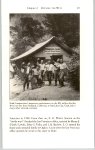
| OCR Text |
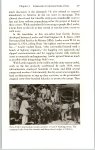
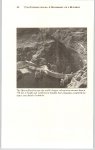
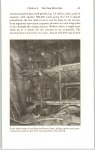
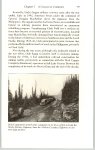
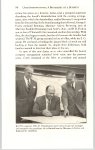
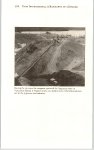
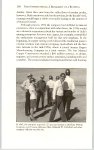
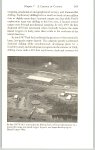
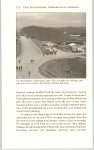
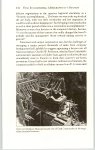
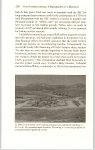
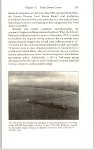
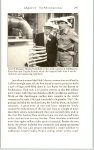
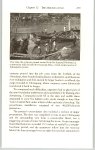
Show 196 UTAH INTERNATIONAL: A BIOGRAPHY OF A BUSINESS race accelerated in the late 1940s and early 1950s. Dreams of virtually unlimited electrical power fueled with “yellow cake” also made the heavy element extremely valuable. Anyone who could find and deliver this prize to weapons producers and the growing nuclear power industry could count on a fortune from Uncle Sam. It all began for Utah when director Marriner Browning placed a momentous call to Christensen on July 11, 1955. Inasmuch as Christensen was out of the office, Littlefield took that call. Browning’s nephew-in-law, Salt Lake City attorney Seaton Prince, was representing Lucky Mc Corporation, which had started exploratory drilling on supposedly uranium-rich land in Wyoming. Following a discussion with Prince, Littlefield immediately went to Wes Bourret, Utah’s mineral exploration specialist, and said, “I know you have these leads running out of your ears; but before you dismiss this one lightly, it comes to us from one of our directors and I want you to take a good look at it.” Neither man could know that this put the company on the trail of one of the richest uranium ore deposits in the country. The story Bourret heard as he looked into Lucky Mc immediately explained the curious name of the deposit and the company trying to exploit it. On September 13, 1953, a weekend prospector and machine shop owner named Neil McNeice had taken his wife on an excursion into the Gas Hills area, some fifty miles from their home in Riverton, Wyoming. As they ate their lunch on a small shaley knob (now known as Picnic Hill), McNeice noticed an outcropping of “oddly-colored sandstone.” When the couple approached the area with their Geiger counter, its needle went off the scale. Lucky McNeice had chanced upon the only commercial exposure of high-grade uranium ore in the area. Eventually, his find would lead to a yield of between eleven and sixteen million tons of the prized ore. Naturally excited, McNeice and two partners sank their own money, much of it from a mortgage on McNeice’s business, into mining and milling the ore, but they did not have enough capital to make much headway at the mine. Worried that large mining companies and other weekend prospectors might discover similar outcroppings at Gas Hills, McNeice turned to W. H. (Harry) Cranmer of New Park Mining Company, which conducted |