| OCR Text |
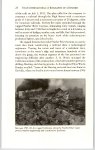
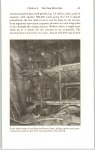
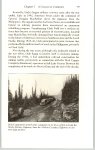
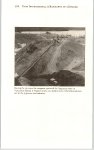
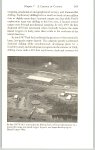
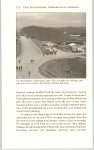
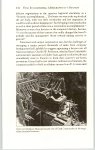
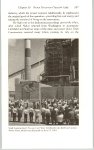
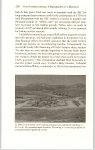
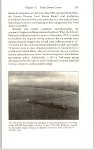
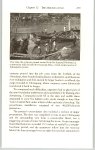
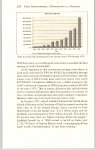
Show 206 UTAH INTERNATIONAL: A BIOGRAPHY OF A BUSINESS supporting the underground openings and keeping them drained more than offset the easy-blasting advantages. Considering this development, Utah had been experimenting since 1961 with a new process called solution mining. Drillers would dig wells into the ore-bearing sands of the Wind River formation; then, using a Utah-patented technique, they leached the ore in place and brought the uranium-bearing solution to the surface. By means of a small mill located in the head frame and surface buildings of the old underground mine, they removed uranium from the solution in the form of uranium oxide slurry, which then went to Lucky Mc for further processing. This technique, which took several years to develop, owed its success to the research of the company’s metallurgists and engineers. As a limited means of producing uranium oxide, it successfully sustained acceptable production at Shirley Basin beginning in 1963. After 1969, however, the open-pit method replaced it as increasing market demand justified large open pits there. Consequently, in early 1968, an engineering group formed at Lucky Mc and Shirley Basin to block out the ore reserves and plan a coordinated open-pit operation in Wyoming. The Palo Alto engineering office began mill design studies later the same year. Actual stripping for the first pit at Shirley Basin began in late January 1969. The total volume of the field (known as Area 2) amounted to approximately 155 million yards in a fifty-foot-thick ore zone some thirty stories below the surface. The stripping and mining of this area eventually intersected the old underground workings and areas subjected to solution mining. But even after moving into the open-pit category, the Shirley Basin Mine remained one of a kind. By the beginning of the 1970s, construction crews had erected a 1,200-ton-per-day mill and related facilities at Shirley Basin, with an annual capacity of producing 2.2 million pounds of U?O8 in concentrate. Utah’s entry into this new area of energy development played a tremendous economic role, especially in central Wyoming. That area produced an estimated $500 million of minerals, equaling the value of Alaska’s placer-gold output for the past one hundred years, and exceeding even the historic Mother Lode rush in California and the Cripple Creek strike in Colorado. Added to that figure were the |