| OCR Text |
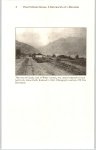
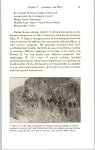
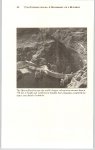
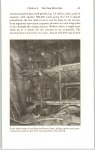
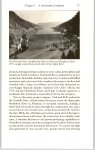
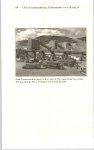
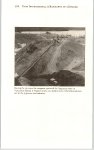
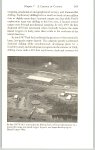
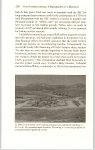
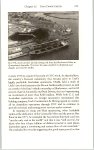
Show 212 UrvTAH INTERNATIONAL: A BIOGRAPHY OF A BUSINESS project, designed to increase by more than nine times the irrigation capacity of a former dam at the site. Most of the water from the resulting 2.75-million-acre-foot reservoir would flow into the arid Goulborn Valley some hundred miles away. Reminiscent of the Hoover Dam project in scope and difficulty, Big Eildon required an excavation of more than six million cubic yards of rock, much of it from a 300-foot-deep cut for the spillway. When completed in late 1955, the dam crest—more than twentyfive stories high—stretched more than half a mile across the gorge, making Big Eildon the largest earth-filled dam in the southern hemisphere; the outlet tower, spillway, and powerhouse swallowed 350,000 yards of concrete, enough to build a fair-sized concrete dam. The original $24 million contract (Utah held 60 percent and J. H. Pomeroy and Company 40 percent) expanded to $38 million, including agreements to erect a power station, install power lines, and construct a major portion of the building site township. By the time Utah finished this massive project, the firm had a considerable backlog of other heavy construction work in Australia, including contracts for tunnels, an industrial plant, and more dams. As a result, the parent company incorporated under Nevada law as Utah Australia, Ltd. (UAL). Utah’s next major Australian job became the Cairn Curran Reservoir, also in Victoria. In less than a year, the firm compacted a 130-foot earth-filled dam to back up 240,000 acre-feet of water, installed a reinforced-concrete outlet tower, built a concrete spillway structure and road bridge, erected three 60-ton radial gates, and raised a 220-foot steel access bridge to the tower. In the meantime, UAL finished ahead of schedule a mile-long tunnel for the Hydro-Electric Commission of Tasmania, removing 80,000 cubic yards of rock and earth and placing enough concrete and steel reinforcing to pave New York City’s Broadway from the Bronx to Broad Street at the tip of Manhattan. At the same time, a vast water project commenced to the north in New South Wales that would dramatically increase the company’s Australian opportunities. Between 1949-51, the government began to realize a dream of harnessing the water of the Snowy Mountains with an inland diversion project to bring irrigation water to hundreds of square miles of arid ground. |