| OCR Text |
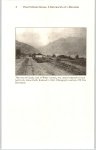
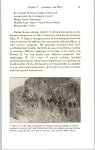
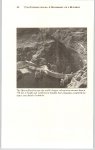
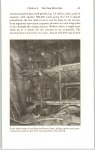
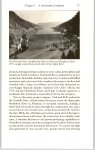
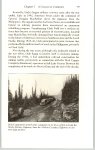
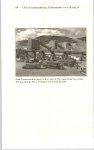
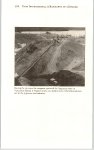
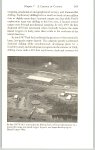
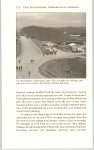
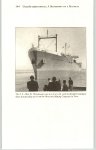
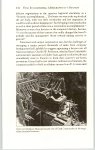
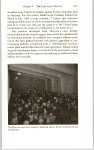
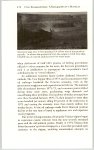
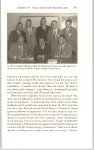
Show Chapter 11 UtraH DowN UNDER 215 Blowering power station (with Morrison Knudsen). The Jindabyne and Blowering Dams both reached completion ahead of schedule, the former some four months early, in September 1967. In the late 1960s, UAL also completed the Mulwala Power Station in New South Wales and the Carrum Outfall on the Patterson River, with similar speed and profitability. The most challenging and certainly the largest tunneling operation Utah ever undertook in the region occurred in New Zealand as part of the Manapouri Power Project. In July 1963 the company’s wholly owned subsidiary Utah Construction and Engineering Pty., and two local firms, W. Williamson Construction Company, Ltd., and Burnetts Motors, Ltd., successfully bid for the initial phase of the project, winning a $26 million contract from the Ministry of Works. Calling for the excavation and removal of more than 1.3 million cubic yards of earth, the job included six miles of a thirty-foot concrete-lined tunnel, an outlet channel thirty-six hundred feet long, and fourteen miles of gravel-surfaced road across mountainous country to connect the tunnel portal to the powerhouse site. The tunnel provided the tailrace (flume) for the powerhouse built underground on the edge of Lake Manapouri, located in the southwest portion of South Island. The tailrace tunnel discharged into the Tasmania Sea via Deep Cove and Doubtful Sound, picturesque fjords on the island’s west coast. The Manapouri project took seven years to complete, which some characterized as seven years of bad luck. Plagued with unanticipated hazards and obstacles, Manapouri ended up costing $54 million more than the original bid. The combine had to import skilled labor, install steel supports in unstable ground, and pump and shore cracks in the quartzite tunnel. Nevertheless, Utah and its partners persevered, finishing in 1970. Hailed as the world’s southernmost power plant, Manapouri could generate more than 700,000 kilowatts, boosting the country’s total capacity by 25 percent. To house comfortably the crews working on the Manapouri project, the company leased the 9,876-ton passenger liner Wagenella and anchored it near the site. This made sense since rainfall at Deep Cove averaged 250 inches a year, so the usual workers’ camp would be costly and unstable if built on the |