| OCR Text |
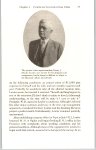
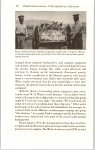
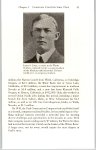
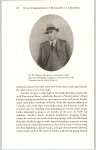
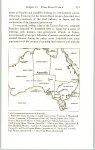
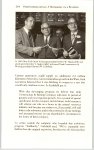
Show 216 UTAH INTERNATIONAL: A BIOGRAPHY OF A BUSINESS waterlogged and hilly shore. Though housed on a ship, the crews contributed to the community, donating to the blind and buying playground equipment for orphans in nearby Invercargill. They also built a memorial at “Nick’s Landing” to honor war hero Alan Nicholas, a Kiwi bush pilot who brought them mail and news until a plane crash in March 1965 took his life. As Utah Construction moved steadily toward mining elsewhere in the world, it undertook mining projects in Australia, beginning inl1959. Vice President Weston Bourret, then managing the exploration and development department, recruited American geologist Richard D. Ellett, who had recognized exciting opportunities in the largely unexplored reaches of Western Australia while working for the National Lead Company. Ellett also sampled the political climate and found it favorable for a possible multinational investment in iron ore extraction in the region. His report persuaded Utah’s board of directors to authorize a subsidiary organization, the Utah Development Company (UDC), with $40,000, to initiate an exploratory operation. Although the board doubled the appropriation the following year, it insisted that any Australian mining operation must “raise itself by its bootstraps,” an instruction consistent with the company’s “project by project” philosophy. In other words, Ellett must find projects requiring low initial costs but with reserves large enough to accommodate expanded production as cash flows increased. The company’s interest in Australia’s minerals related to its philosophy that feasible market demand must precede mining operations. Japan’s ever-growing demand for iron ore and coking coal made Australia a natural choice under that principal. Among the first to recognize this geographic juxtaposition of the Japanese market and Australian sources, the firm’s executives, geologists, and engineers sought the ideal combination: high-grade ores or coal, “exploitability” by open-cut mining, plus existing or potential seaports nearby. With these conditions in mind, Bourret made three trips to Japan, working through the coal procurement division of the Mitsubishi Shoji Kaisha trading company, to determine the types and quantity of coal the steel industry required. Arriving in Western Australia in the fall of 1960, Ellet quickly examined “every known significant iron-ore deposit in the |