| OCR Text |
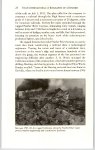
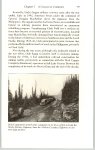
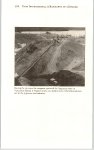
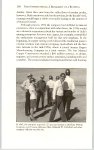
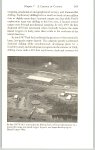
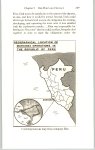
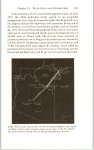
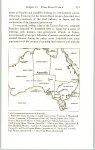
Show 218 UTAH INTERNATIONAL: A BIOGRAPHY OF A BUSINESS future for their country in the large-scale export of coal, and little attention was focused on the coal-producing potential of Queensland.” To help in these explorations, Ellett assembled a small team composed mostly of Australians, including a geologist named Don King, who entered the Bowen Basin of Queensland, some 550 air miles northwest of Brisbane, in the winter of 1960-61. Setting up shop some thirty-five miles south of known coal reserves at Kianga, King rapidly mapped the district and chose drilling sites, but test holes revealed “thick, rich” seams of coal suitable for steaming but with weak coking characteristics. Inasmuch as there was little market at the time for steaming coal, King continued to search, convinced that the “salt-and-pepper” sandstone, petrified logs, and fossilized leaves he observed in the area often accompanied large deposits of commercial-grade coal. By October 1961, King had worked his way to Blackwater, an area of Queensland that had been mined between 1911-41. For some reason, however, all of that activity had been north of the existing railway even though government reports identified the area south as the more promising. Consequently he applied for prospecting rights and headed south. Using aerial photographs, he began a dogged reconnaissance about forty miles south of Blackwater township and surveyed northward. He sifted through the coal dumps of old mines, studied seismic shot-hole reports, catalogued virtually every natural feature, and interviewed “oldtimers” who knew regional mining well, including one who had ridden a horse over every swale in the area and “knew the site of every bore hole.” Eventually, King located three areas worthy of detailed testing. He first selected an area around the Taurus Cattle Station, drilling the first holes on April 24, 1962. After three tries, the drill produced a large black cloud of soot, a sure indicator of coal that had perished under oxidation. The fourth hole broke into a seam of commercial-grade coal some twenty-five feet thick. Within two days, Ellett arrived from Melbourne and confirmed that the seam was thick enough to fulfill all his prior expectations, for field tests showed that the coal was ideal for coking. Utah had known for more than a year that the Japanese government was deciding to phase out the production of coking coal from some its own deep |