| OCR Text |
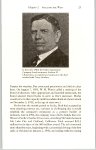
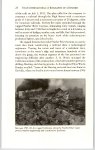
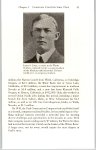
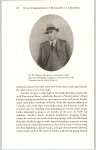
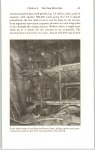
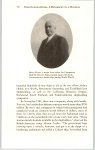
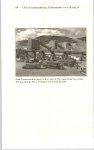
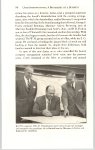
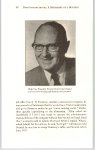
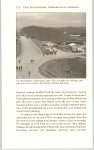
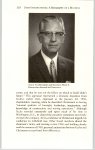
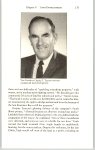
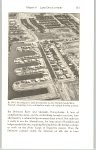
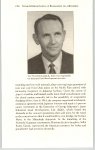
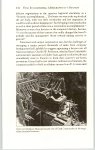
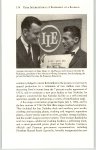
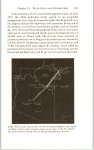
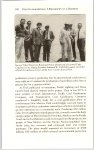
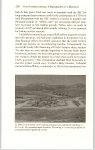
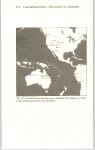
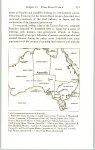
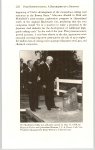
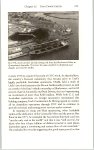
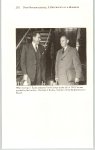
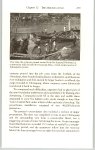
Show 224 UTAH INTERNATIONAL: A BIOGRAPHY OF A BUSINESS School Conference, Alexander M. (Bud) Wilson, then senior vice president and manager of the firm’s mining division, discussed the expanding opportunities in Australia along with the economic and political realities. Indicating that both agreeable and troubling conditions would greet foreign investors, particularly those interested in mineral exploitation, Wilson accurately predicted many of the problems Utah and others would face in the ensuing years. They included labor shortages, high income taxes, government involvement in labor relations, the cost of exploration and overland transportation facilities, and the expensive outlay for ports and ocean shipping. Still, he sounded optimistic, given the rich geologic environment. Littlefield further demonstrated the company’s heightened interest in the area with a trip to Australia and New Zealand during late March 1966. He inspected the company’s many construction sites, surveyed the work at Port Hedland, visited the nearby iron mine site at Mount Goldsworthy, then flew east to Queensland for a look at the Blackwater coal project. In just fifteen days, he met with virtually every Utah staff member in Australia, but his trip’s main focus was on talks with government officials, including Prime Minister Harold E. Holt, as well as the premiers of the states of Victoria, Queensland, and Western Australia. Littlefield returned to San Francisco convinced Australian officials understood Utah’s aims and activities. He also announced that Utah Development and Mitsubishi Shoji Kaisha had agreed on the coal contract. With this news, the full-scale start-up of the Blackwater project began. Meanwhile, work at Mount Goldsworthy proceeded at a feverish pace, despite the arrival on March 31 of Cyclone Shirley, whose effects could have been disastrous but did little harm, thanks to damage-control efforts and some good luck. The storm came up with short notice early in the morning. The main concern was for the Alameda’s safety. Moving the pipelines that would carry the mud from the bay to the land occupied most of the day, with twoinch tow ropes breaking more than a dozen times as tugs fought against high waves and strong currents. The next day passed without incident as the dredge rode out the swells from the security of two storm anchors. On April 2 the swing wires securing the Alameda to the anchor began to break under the strain, forcing |