| OCR Text |
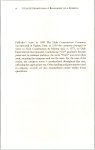
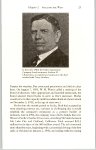
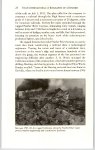
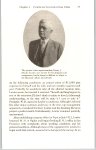
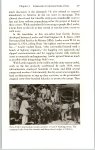
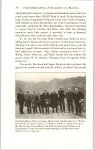
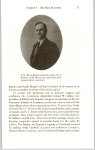
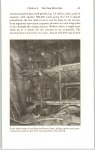
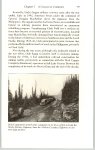
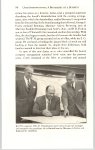
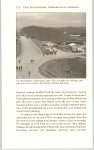
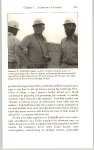
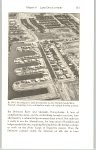
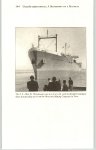
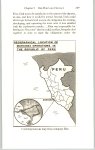
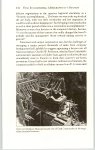
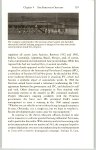
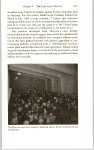
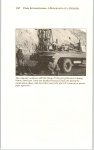
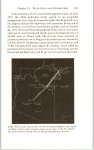
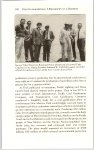
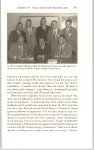
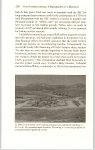
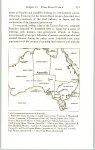
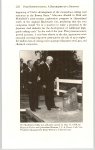
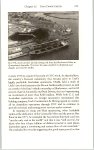
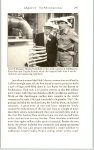
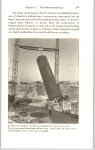
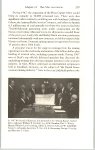
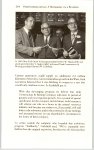
Show Chapter 11 UtraH Down UNDER a3 crews to spend a rough afternoon weighing anchors and towing the vessel into the harbor. Fortunately only the ship’s tree and considerable lengths of swing, quarter, and stern wires suffered heavy damage. There was so much water in the vessel, however, that the crew suspected a hole in the hull, but finding none after they pumped it out, they returned to work. Hoping to have everything ready for a first shipment of iron ore ahead of schedule, crews raced the clock to complete port conveniences, the railroad, and the mining facilities. On May 31, 1966, the first shipment of iron ore left Port Hedland for Japan aboard the 31,000-ton Harvey S. Mudd; on June 28, representatives from the government, the owners, and the purchasers gathered on Finucane Island to dedicate the Port Hedland facilities. Wilson and financial vice president O. L. Dykstra headed the Utah delegation, but Ellett and other key company men also shared the scene with such dignitaries as the premier of Western Australia. Shortly afterwards, the directors of MGMaA’s Australian organization, Goldsworthy Mining Pty., Ltd., sent an exuberant letter to San Francisco acknowledging Utah’s crucial role in the venture. “Without knowing the ruggedness of the North West,” they wrote, leaders of the Utah Construction & Mining “gave without hesitation their services in progressing the large initial capital expenditure programme within a limited period,” without which, they continued, “the first stage of a challenging adventure” could not have been possible. During the next few months, production at Mount Goldsworthy steadily accelerated and by the middle of October 1966, workers completed essentially all construction and shipped 441,000 tons of ore in sixteen shipments to Japan. Ore trains between Mount Goldsworthy and Port Hedland, loaded at the rate of two thousand tons per hour, could haul between two and four thousand tons, depending on the locomotive. The seventy-mile route traversed essentially flat terrain, descending less than two hundred feet from the mine plant to the loading docks, with only two significant obstacles along the way, the DeGrey River and West Creek between the mainland and Finucane Island. To span the DeGrey, bridge builders erected a span the length of three football fields that would carry not only rail but motor traffic. They included |