| OCR Text |
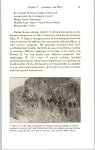
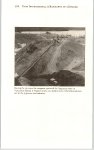
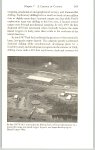
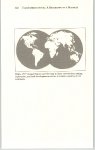
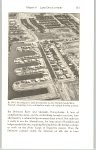
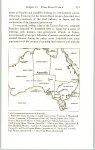
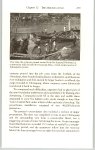
Show 230 UTAH INTERNATIONAL: A BIOGRAPHY OF A BUSINESS draglines excavated the strata. Responding to reports of fossils in the rocks taken from the Blackwater Mine, scientists discovered fish fossils estimated to be more than 230 million years old, similar to a freshwater type of the same age in South Africa, thus substantiating hypotheses of continental drift. The boom town of Blackwater became something of a Utah showcase as the company cooperated with government agencies to ensure orderly and beneficial growth. Swelling almost overnight from its original ten houses, one-room school, and _ hotel, Blackwater soon boasted asphalt streets, modern homes, an ultramodern school, a swimming pool, and “an overall civic pride which comes near to arrogance,” according to one visitor. To the north, an entirely new community went up to serve the housing and trade needs of the new Goonyella and Peak Downs mines. UDC carefully planned this new town, Moranbah, from the ground up. Construction began in 1970, with 435 homes projected by April 1973. Based on a town square reminiscent of classic New England plats, Moranbah contained a civic center, shopping center, hotel/ motel, sports oval, and recreation facilities, including an eighteenhole golf course. Moranbah was, in the judges’ terms, “a very easy win” for the “Queensland Tidy Town” award in 1973. They were particularly impressed with the preservation of native trees. By the end of 1974, Moranbah was a bustling little city of 3,100 people. The company remained sensitive to Australian civic and national pride, including ever-increasing concerns that too much of the commonwealth’s natural resources had fallen into the hands of foreign investors. “Utah’s greatest bugbear was its public image,” wrote Alan Trengrove, an Australian mining historian, “especially when the period of moderate profits ended.” The company’s triumphs had impressed its hosts, conceded Trengrove. “Its timing was immaculate. But it was too successful to be popular.” While meticulously complying with commonwealth and state rules, Utah could not escape criticism that “it was an American multinational company making excessive gains by ripping out an irreplaceable Australian resource which it was selling at relatively cheap rates overseas.” Ironically, criticism heightened through the sale of stock to Australians only, in Utah Mining Australia, Ltd. (UMAL), formed |