| OCR Text |
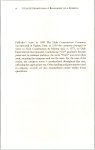
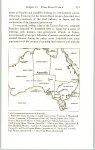
Show 232 UTAH INTERNATIONAL: A BIOGRAPHY OF A BUSINESS Utah and Mitsubishi could maintain their “competitiveness with the rest of the world and ... the continued confidence of prospective buyers in reliability of supply.” At the same event, Wilson predicted that the Central Queensland Coal Associates soon would produce as much as sixteen million tons annually, “if all goes well.” In mid-1972, Utah announced the opening of a fourth Queensland mine at Saraji some fifteen miles south of Peak Downs. When it became operational late in 1974, Saraji increased the Bowen Basin’s output to an annual rate of about fourteen million tons with option-related tonnages and spot sales increasing the total volume. This announcement followed another sales agreement with Japanese and European steel companies for deliveries of Queensland coal to range from thirty-four to fifty-two million tons. The resulting revenues topped $1 billion. In addition, UDC’s wholly owned operation at Blackwater increased production to such an extent that a new agreement had to be negotiated with the Queensland Railway Department so that UDC could almost double its maximum annual tonnage being hauled to Gladstone. Despite these bright statistics, dark clouds began to cast ominous shadows on Utah’s fortunes in Australia. First came a dash of bad news from the Japanese markets. In 1970 the Marcona Corporation offered MGMA a spot price of $8.45 per ton for 500,000 tons of ore at 61 percent iron. The price was so much higher than anything then under contract that the steel industry in Japan worried that such a deal between the two corporate cousins would trigger a chain reaction of spiraling higher prices. Since the Japanese had already determined to cut steel production by 10 percent, news of the Marcona offer sent a shock wave through the iron ore market. The Marcona deal and its aftershocks were just the beginning of problems for Utah in Australia during the 1970s. Most, however, related to the Australian public’s inability to handle the overwhelming success of foreign mining companies. A new Labour Party government under Gough Whitlam, which took office on December 2, 1972, immediately tightened considerably the previously generous mining policies, including taxation, of the former Liberal government, which had prompted Utah, Gold Fields, and Cyprus Mines to go into Western Australia in the first place. |