| OCR Text |
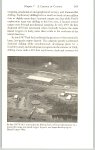
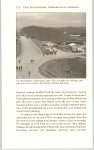
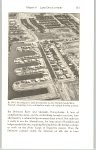
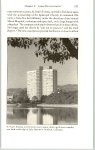
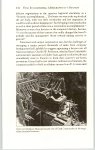
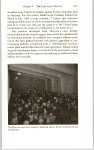
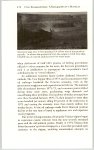
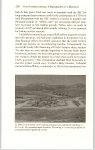
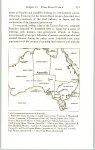
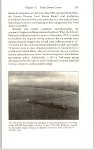
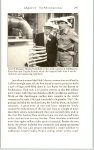
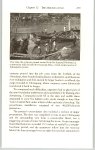
Show Chapter 11 UtTaH Down UNDER L437 group made good in 1974 by opening new developments in the Opthalmia Range. This significant venture represented the first mine cut in the Marra Mamba iron ore formation, the richest and purest deposit then known in Western Australia. To support its activities in Opthalmia, MGMA constructed new facilities, including a company township at Shay Gap and a rail link to Port Hedland, some one hundred miles northwest of Shay. Shay Gap, in design and function, contained every possible convenience despite its location in one of the most inhospitable places on the continent. Situated some forty miles from the coast with hot temperatures, dusty winds, and cyclones, Shay Gap required yeoman efforts to make it a pleasant place for miners and their families to live. The innovative designs and ingenious technologies included a centralized chilling unit to deliver cooled water underground to each building, a vacuum-method sewage system, an integrated system of medium-density housing linked by walkways, and construction techniques that ensured buildings could withstand heavy winds. Shay Gap won an award from the Western Australia government for the 1973-74 outstanding engineering project in the state, and it also won the 1974 Prince Phillip Design Award. Another community, Dysart, rose from the bush to serve the needs of Central Queensland coal miners and their families working at the Saraji Mine. Because of the possibility of another cut at Norwich Park, Dysart was located between the two sites, approximately a hundred miles from the coast and about fifty miles south of Moranbah. Building a town from scratch in the middle of the Bowen Basin presented considerable challenges. Utah built transportation and communication facilities where virtually none existed before and piped culinary water from Moranbah. Completed well ahead of schedule, Dysart became a modern community by late 1975, with more than sixteen hundred residents spread over some two thousand well-groomed acres. Containing five different home styles made of natural timber, Dysart boasted a shopping center, an Olympic-size pool, a 400-meter track, and courts for tennis, volleyball, and squash. As in Moranbah, a sense of community rapidly emerged. To complete a municipal golf course, for example, residents organized weekend working bees. A |