| OCR Text |
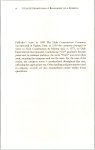
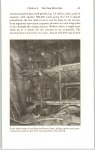
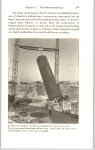
Show 238 Urau INTERNATIONAL: A BIOGRAPHY OF A BUSINESS certain excitement permeated the whole Dysart experience, much to the satisfaction of Utah, its associates, and the local government. The national government, on the other hand, continued to grumble, but Utah and its partners pressed ahead, confident enough to contribute 11 percent interest to a new group looking into developing the “McCamey’s Monster” deposit. But shortly thereafter, news came that Japanese steel companies sought an interest in the Opthalmia discovery, forcing MGMA into the awkward position of having to ignore its own customers to salve the feelings of the commonwealth government, which urged greater domestic investment. Unfortunately, Australian investors found it very difficult to raise enough capital to bring them into the venture in any meaningful way. Besides all of this, due to their worries over steeply rising production costs, which had more than doubled for both iron ore and coking coal, the Japanese refused to commit themselves to additional contracts with Goldsworthy Associates because of tenuous world market conditions and steeply rising production costs, which had more than doubled for both iron ore and coking coal. An article published in Metal Bulletin in October 1975 stated that the Japanese were increasingly wary of political conditions in Australia, finding it very “difficult to determine their likely iron ore requirements while they are uncertain about their future Australian coal supplies.” Only four years after Littlefield’s cautious remarks in 1971, mining Queensland coal became problematic indeed. As if storms in terms of market and political forces were not enough, actual weather conditions also bedeviled the company’s Australian adventure. During the early months of 1974, heavy rainfalls lashed the interior of Queensland, causing the Brisbane River to rise to a perilous twenty-one feet, which flooded much of the city. Although most of Utah’s mining and transportation activities soon returned to normal, the flooding caused considerable losses and delays. On December 20, a freak storm something like a tornado struck the Peak Downs Mine, causing almost half a million dollars in damage, snapping trees in half, ripping roofs from buildings, and totally destroying the radial stacker. A few days later, Cyclone Tracey hit Darwin in perhaps the worst natural disaster in Australia’s history. Thousands of people found |