| OCR Text |
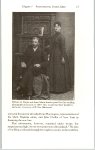
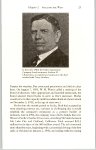
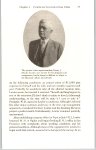
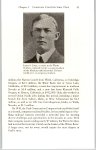
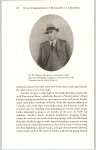
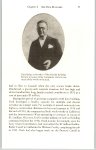
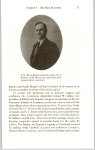
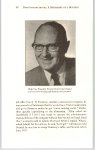
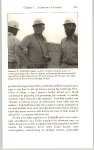
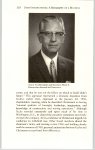
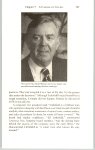
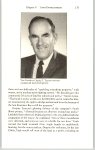
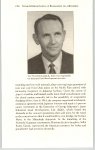
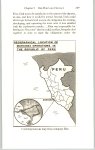
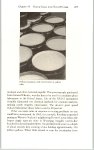
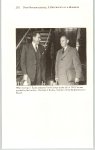
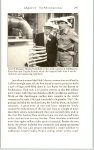
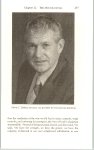
Show Chapter 12 THE MULTINATIONAL 255 At the peak of all these exciting adventures in the jungles and deserts of the world, Utah mourned the loss of Lester S. Corey, who died on October 26, 1964. Utah executives correctly realized that his passing marked the end of an era in the history of the Utah Construction & Mining Company. Joining the company as a timekeeper just months after it was organized in 1900, Les Corey had risen through the ranks to the presidency in 1940. After fiftythree years of continuous employment at Utah, he had retired in 1954 and continued to serve on the board of directors until his death. Littlefield held Corey in high esteem and eulogized him as “a man of wisdom and great integrity.” The last image of the rugged little construction outfit from the American frontier had departed; in its place stood a company that was becoming a multinational giant. Another significant milestone came just a few months before Corey’s death when in June 1964, Littlefield was elected to the board of directors of General Electric, a tribute not only to his capabilities but also to his company’s reputation. As for Utah, the diversified operations that now fed the company’s earning power boded well for its future. “These programs,” Littlefield said, “administered by an organization of experienced, competent people, give us pride in our accomplishments to date, and optimism for the prospect of the new year.” Despite wide-ranging activities in construction, the mining division had taken center stage, with iron ore production, both domestic and foreign, responding to increasing levels of steel production in the United States and abroad. Earnings of the company’s mining operations in the state of Utah and those of its Peruvian affiliate were well in excess of those of the previous year. At Marcona, progress on the political front had brought negotiations with Peru’s Santa Corporation to a satisfactory (though temporary) agreement about the ownership of Marcona. The capacity of Marcona’s pellet plant had been sold out and additional long-term contracts for direct sinter ore were in negotiation with Fuji and Nippon. (Sinter ore is produced by heating metal particles to form a larger mass.) The sinter sales were especially significant, providing long-term income from a product that could be used by steel mills with sintering plants with only a |