| OCR Text |
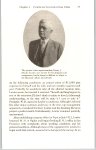
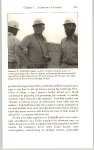
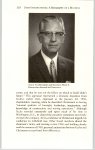
Show 256 modest UTAH INTERNATIONAL: A BIOGRAPHY OF A BUSINESS investment from Marcona in mining and_ hauling equipment. New sales contracts heralded the best news at mid-decade. “These will lead to the expansion of Utah’s present mining program,” management reported to stockholders, “and are expected to have a substantial and sustained impact on the level and dependability of future earnings.” As an illustration, Utah would supply coal from the Navajo Mine for a 1.5 million-kilowattgenerating facility adjacent to the Arizona Public Service Company’s power plant and Utah’s mine in the Four Corners area. If negotiations were successful, projected annual production would make Navajo the largest coal mine in the United States. In 1965, changes in management reflected this growth in mining activities when John S. Anderson and Edwin C. DeMoss were appointed vice presidents of iron ore and uranium operations, respectively, to reinforce the Mining Division under Senior Vice President Alexander M. (Bud) Wilson. Charles T. Travers was also named vice president of commercial construction and development at the December meeting of the board of directors. Travers had been employed in the company’s land development division since 1953 and had been instrumental in developing major land reclamation projects at South Shore. Littlefield believed such men key to the success of the company at that critical juncture. “At no time during my association with the company,” he said, “has the management staff functioned more effectively or with greater devotion to duty despite the personal inconveniences and hardships involved.” Meanwhile, the growing Vietnam War was creating burdensome monetary conditions domestically and new challenges for the corporate world, given the uncertainties of demand and the availability of money. Eager to blame administrators of financial institutions for their problems, most Americans accused bankers of creating the “tight money situation” and further charged them with benefitting from the high interest rates of the period. In a speech before the Commonwealth Club in San Francisco on August 26, 1966, Marriner Eccles expressed doubts “that monetary policy alone can hold down prices in the present booming economy, increasingly stimulated by war and other huge government expenditures, without increasing taxes.” Increasingly, he worried |