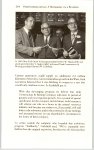
| OCR Text |
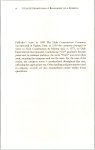
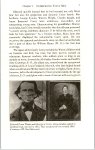
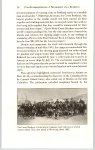
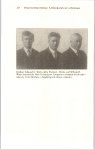
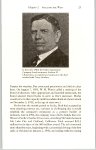
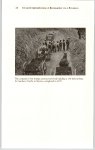
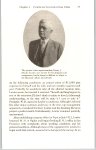
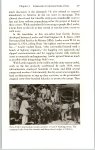
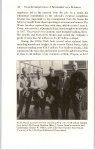
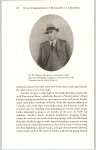
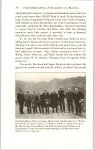
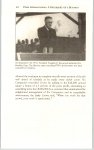
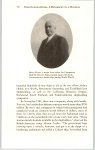
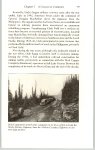
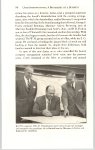
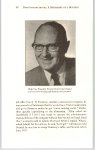
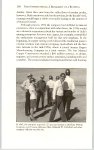
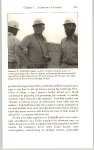
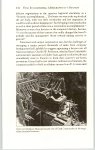
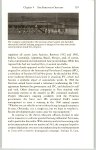
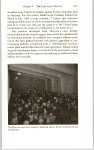
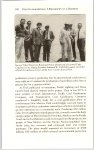
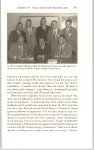
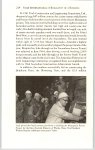
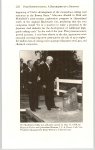
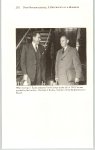
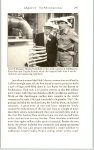
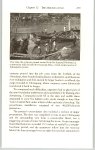
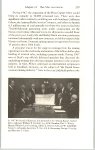
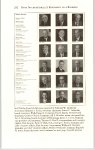
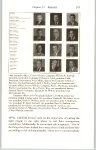
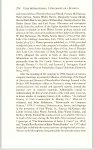
Show Chapter 12 THE MULTINATIONAL 259 During 1967, the expansion of the Pima Copper Mine would bring its capacity to 30,000 processed tons. There were also significant other contracts, including one with Southern California Edison, the Arizona Public Service Company, and others to furnish 6.5 million tons of coal annually for thirty-five years to fuel two 750,000-kilowatt generating units under construction on the Navajo reservation. Marcona’s iron ore shipments exceeded those of the prior year. Lucky Mc and Shirley Basin uranium production increased substantially with new contracts, as did the output of the Navajo coal mine. Domestic mining operations generated revenues 15 percent above 1966 levels. A principal reason for the surge in earnings from the mining operations was the continuing maturation of the billion-dollar-plus backlog of mineral sales, including uranium oxide. During 1967 two of Utah’s top officials delivered speeches that discussed the underlying strategy then driving company interests in the uranium industry. In May, Wilson addressed an international symposium held in Frankfurt, Germany, on the subject of “the United States uranium mining industry.” Later in the year Littlefield spoke to the In 1967 the board of directors was pictured in the Annual Report. Seated left to right are William R. Kimball, Jr.; Alf E. Brandin; Paul L. Wattis; Shepard Mitchell; and standing, Albert L. Reeves; Edmund W. Littlefield; Ernest C. Arbuckle; Lawrence T. Dee; Val A. Browning; George S. Eccles; and Marriner S. Eccles. |