| OCR Text |
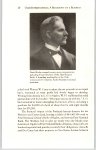
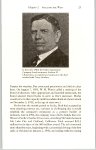
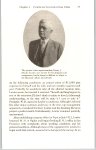
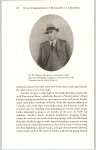
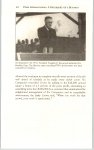
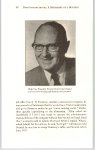
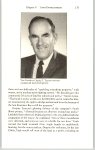
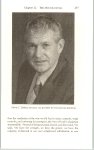
Show 260 UTAH INTERNATIONAL: A BIOGRAPHY OF A BUSINESS Investment Bankers Association about “uranium and electric power.” Both Utah leaders outlined the rocketing worldwide demand for electricity and argued strongly in favor of using uranium oxide in specialized power plants as a fresh approach to this challenging issue. They forecast bright prospects for the future of the industry with rapid nuclear technology developments, while describing the impact of uranium on the electric industry, the quantity of uranium reserves, economic incentives, and supply-anddemand considerations. In the midst of this present success and cautious optimism about the future, company executives were warily observing the deepening American involvement in the Vietnam War and its effects on the economy, further complicated by the social woes arising out of the conflict. Experienced in public affairs, Marriner Eccles was among the first corporate leaders in the nation to become concerned that Washington policy makers were making a serious mistake. In a forthright address before the Commonwealth Club in San Francisco in 1967, he saw only one possible good in the quagmire: “The horrible Vietnam debacle, tragic as it is, may yet be a blessing in disguise if it forces us to recognize our staggering failures at home. Runaway crime, delinquency, the riots in our cities, loss of respect for law and order, and the rebellion of frustrated youth—all spring from this.” Eccles underscored his foreboding with some shocking figures: “The Vietnam War is responsible for the huge federal deficit which, without a tax increase, could run to more than $25 billion.... We are by far the world’s largest short-term debtor.... In 1966, we were spending in excess of $6 billion per year for veterans’ benefits, and the Korean War alone is costing more than $700 million a year.” In conclusion, Eccles pleaded for America’s withdrawal from the war: “History does not show that a nation that liquidates a bad venture suffers from loss of prestige.” Instead, “nations have gained stature by doing so.” Eccles could see what so many others of the era could not—that the war and all the problems it had created were crippling America. For businesses to run, for people to work, and for individual security and contentment, the government would have to forsake its excessive involvement in the affairs of other countries, justification. Once again, his plea fell on deaf ears. whatever the |