| OCR Text |
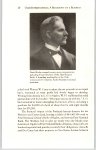
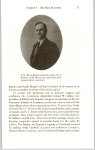
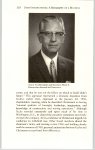
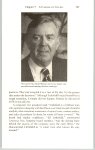
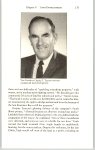
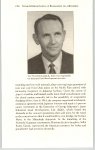
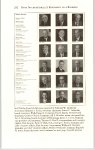
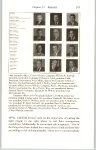
Show 262 UTAH INTERNATIONAL: A BIOGRAPHY OF A BUSINESS to the president and general manager. The managers of the three operating divisions—construction, land development and special ventures, and mining—would report to Wilson. The two other senior officers, Albert Reeves and Orville Dykstra, continued to report to Littlefield. Wilson, elected to the board of directors a month later, became a member of the executive committee. A metallurgical engineer, he had been with the firm in various positions since 1954, most recently as head of the mining division; he also served on the boards of the Utah Development Company and the Pima Mining Company. That same year, the board of directors approved Charles K. McArthur, Hollis G. Peacock, and Keith G. Wallace to occupy key positions in the company’s mining organization. McArthur, a twenty-year veteran of the mining business and formerly a manager of technical services, became a vice president and manager for the Island Copper Mine. Peacock, with thirty years of experience in mining, had been Utah’s chief geologist and assistant exploration manager. He would serve as manager of western hemisphere mineral development from his new post as a vice president. Wallace, a graduate of Stanford University’s mining engineering program, had managed Utah’s Australian mining operations prior to his appointment as vice president. Another development in 1968 was Utah’s acquisition of a 50 percent interest in the Haas and Haynie Corporation of San Francisco. Utah’s partner on a project in the early 1960s, Haas and Haynie specialized in building high-rise office and apartment buildings, hotels, resorts, and airport/aviation facilities, as well as engaging in several urban redevelopments, including shopping centers and other commercial and light industrial projects. The financial arrangement gave President Robert M. Haynie a half interest and doubled Haas and Haynie’s financial capability for construction projects, then at an annual level of $50-60 million. In addition to its equity interest, Utah advanced funds to maintain an appropriate level of working capital and bonding capacity for Haas and Haynie, which would continue to operate under Haynie’s leadership. Utah’s management also engaged in another round of strategic planning for mining that year, outlining ways to expand existing |