| OCR Text |
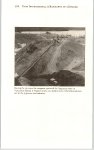
Show Chapter 12 THE MULTINATIONAL 263 ventures and begin new ones. Over the next five years, this growth likely would require new investments in the $180 million range. “These funds will be provided in part out of cash generated from internal sources,” said Littlefield, “but must also be obtained from new financing, the first phase of which we are already arranging.” Utah found new backing primarily from European sources and from U. S. banks controlling Euro-dollar credits, as required by government regulations on direct foreign investment. Reports from around the company demonstrated a prosperity and exuberance unimaginable just a few years before. Lucky Mc was selling approximately two million pounds of uranium oxide annually from the Gas Hills area, and it now planned a comparable operation on the Shirley Basin properties, which would double the output of Utah’s uranium mines. Inasmuch as government forecasts indicated a mushrooming demand for “yellow cake,” Littlefield wanted to be sure Utah was in a prime position to capitalize on it. In addition to the company’s copper mine in Arizona, Utah’s exploration team investigated the feasibility of another such project on the “Bay” claims in British Columbia. Although an initial outlay of $38.5 million would be required to get the Bay properties into production, the possibility of some 20,000 tons of copper ore per year inspired active contingency planning. The Navajo coal project gave nothing but rosy forecasts. Its 1.1billion-ton deposit of steam coal, the largest in America, promised ample reserves for Utah to meet its contract to deliver 2.5 million tons each year for thirty-five years to Arizona Public Service Company for its power-generating plants. Under construction were two more 750,000-kilowatt generating units, owned jointly by the Southern California Edison Company, Arizona Public Service Company, and four other utility companies. Utah had signed contracts to furnish an additional 6.5 million tons of coal annually for thirty-five years to fuel them. By 1970, coal deliveries were expected to rise to 8.5 million tons each year. At the end of the thirty-five-year period, 325 million tons would be consumed, but an estimated 450 million tons would remain. The water required for steam generation—44,000 acre-feet annually— flowed from the Navajo Reservoir by contract with the United States Department of the Interior, effective in 1972. The Four |