| OCR Text |
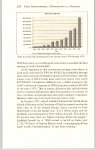
Show 278 UTAH INTERNATIONAL: A BIOGRAPHY OF A BUSINESS better explore, and if you’re going to explore ... you [have] to keep at it.” When he first began working for the company, he had to go to the board for every appropriation to explore possible projects. Convinced this was inefficient, he worked on the executive committee with Eccles for an annual exploration budget, which they soon produced. “This is an activity where it pays to be lucky,” observed Littlefield, “but the good guys also make some of their own luck. If we got more bang for the buck out of our exploration, it was because we were ever-ready to fund an ever-larger exploration budget. [We] never cut back on the exploration effort to improve the appearances of current profits, an error often committed by our competition.” Utah enjoyed unusual success in its mineral exploration and development efforts. Its mines were low-cost producers, which gave the firm a real advantage in the market place. By 1968 the firm’s experience with land development had virtually run its course. Most of the land Utah owned had been sold to the benefit of mining ventures. When the high price of coking coal sent profits to unexpected levels, it brought with it “a degree of prosperity that was far greater than previous times, but it also changed the nature of our diversification and our risks,” Littlefield explained. At the time Utah was not a big company but “a very well diversified mining company.... The company was not dependent on a single source for the lion’s share of earnings, and not at risk in the political fortunes of any particular country. We could have been damaged if something should happen, but it wouldn’t be a death blow.” This changed with the exceptional demand for coking coal, which generated extraordinary net earnings and a very difficult political situation in Australia. All this business activity turned out “reasonably well,” Littlefield understated. Earnings per share in 1976 were fifty-four times the 1951 level. Dividends increased every year for twenty-six years. Share prices increased from 50 cents in 1949 to a high of $74 in 1975, then retreated somewhat when the stock market became queasy over threatening political developments in Peru and Australia. Finally, in 1976, among all mining companies headquartered in the United States, Utah International “ranked first in earnings and first in the total market value of its shares,” |