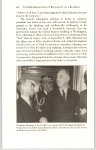
| OCR Text |
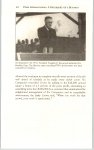
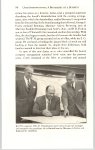
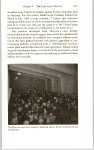
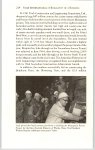
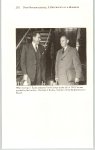
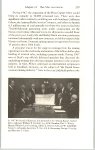
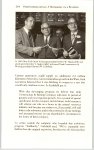
Show 286 UTAH INTERNATIONAL: A BIOGRAPHY OF A BUSINESS greetings, embraces, and quiet conversations. Among observers at the meeting was Sterling D. Sessions, then dean of the School of Business at Weber State College (now University) in Ogden, Utah, the town where it all began seventy-six years before. Littlefield called the meeting to order promptly at ten, introduced the company’s officers, and briefly saluted Marriner Eccles for his fifty-six years of service on the firm’s board. He then confirmed the receipt of a majority of the proxy cards and identified the purpose of the meeting—to ratify a proposed merger of Utah International with General Electric Company. Bruce T. Mitchell, secretary and senior counsel, read the resolution officially declaring the intention of the companies to merge. Retired Utah Vice President Charles Travers seconded the resolution. The merger was approved by a majority of shares held, due in part to the proxy statements mailed earlier to 23,000 Utah shareholders representing 31,540,032 shares, and a_ similar package sent to 529,000 GE shareholders who held 184,748,732 shares of common stock. “If the statements had been piled one on top of another,” Littlefield told the crowd, “the last statement would be 3.5 miles above the earth, or if the pages had been placed end to end, the distance covered would be three and three quarters times across the United States.” He reported a similar action that took place earlier in the day in Stamford, Connecticut, as GE shareholders also approved the merger with ballots representing 86 percent of shares. Littlefield described Utah’s merger with General Electric as necessary due to a business concentration in one area—Australian iron ore and coking coal. He then discussed Utah’s options: either spending more than $1 billion in acquisitions that might take Utah out of its fields of expertise, or finding a very large, diversified, multinational company that could accommodate the purchase of a $2 billion company without financial strain. The meeting continued in a jovial mood with continued introductions of company officers past and present. Charlie Travers even spent some time at the microphone, detailing his competitiveness with Littlefield: I had read one of Horatio Alger’s novels, I think it was Ragged Dick, and I learned that the way to get ahead was to |